
May is Mental Health Awareness Month, shining a spotlight on emotional well-being and the importance of support systems, healthy routines and honest discussions surrounding mental illness, addiction and grief.
For Stillwater community leader Alane Zannotti, those conversations are deeply personal.
Zannotti is sharing her family’s decades-long journey with addiction, trauma and suicide during an upcoming episode of Still Caring, Stillwater Medical’s podcast. Her hope in speaking publicly, she said, is that others carrying similar burdens will feel less alone and more willing to seek support.
“I think once you start telling it, little by little, you get a sense of peace,” Zannotti said. “And then what happens is that connection with someone that comes up to you and says, ‘I’m dealing with the same thing.’”
Dr. Rachel Carpenter, a child and adolescent psychiatrist at Stillwater medical stresses that emotional wellness is rarely tied to one single factor.
“Sleep, nutrition, physical activity, social connection and professional support all play important roles in helping individuals and families manage stress, anxiety, depression and emotional exhaustion over time,” Carpenter said.
For families living with addiction or mental illness, maintaining those healthy rhythms can become especially difficult.
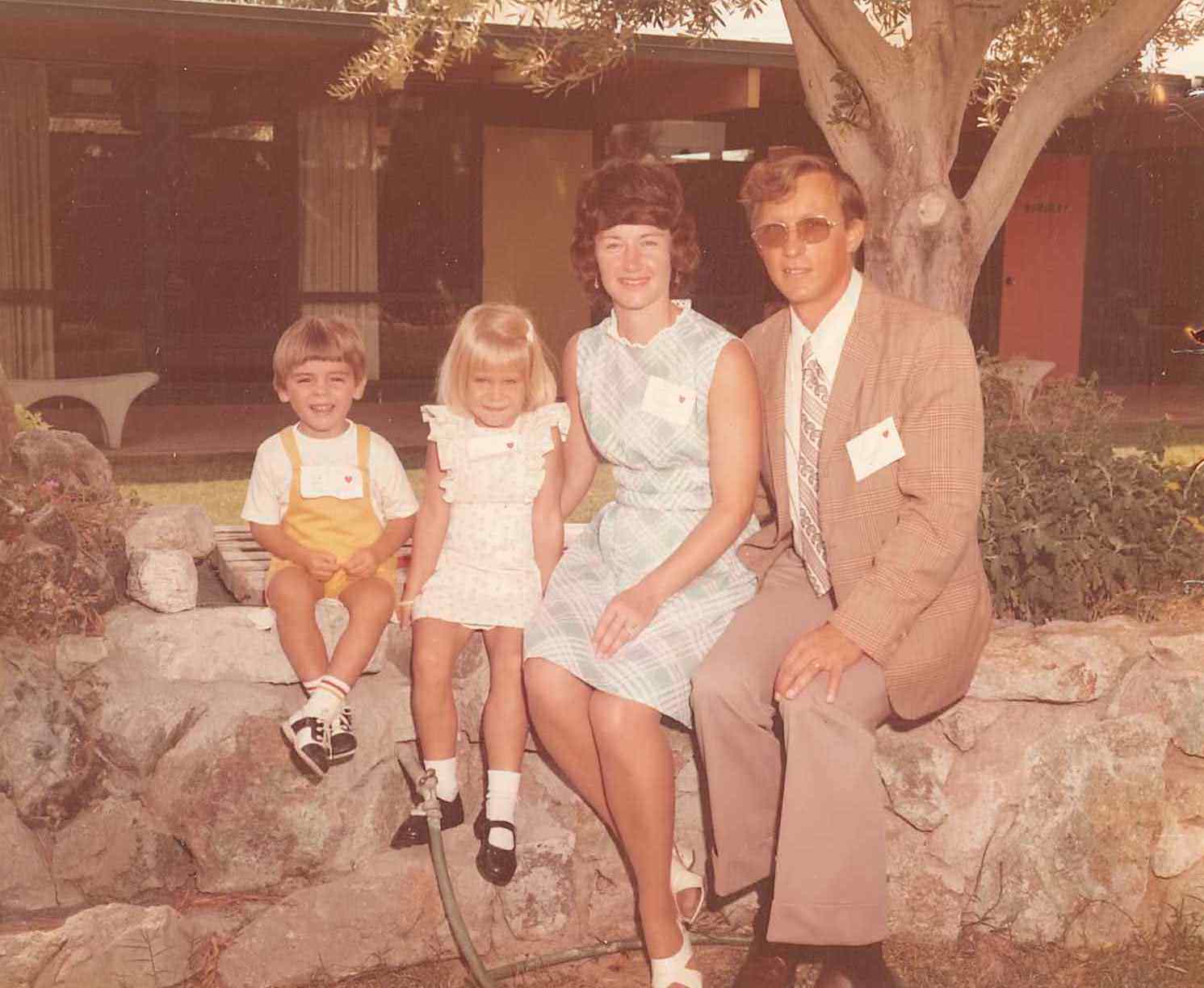
Zannotti described growing up in a household where unpredictability became part of daily life after her younger brother, Dan, joined the family through adoption at age three following time spent in foster care.
“I think all of a sudden my parents thought, ‘Okay, we now have a child that has had some first three years of life we know nothing about,’” she said.
As Dan grew older, behavioral struggles intensified. Though highly intelligent, he battled emotional instability, alcohol addiction and frequent conflict both at home and in school.
Mental health experts say prolonged stress inside the home can and does impact every member of a family both psychologically and physically. Disrupted routines, unhealthy coping skills, fear of confrontation and emotional fatigue often leave loved ones carrying invisible stress for years that can worsen both physical health and mental health.
Zannotti recalled trying to provide stability wherever she could.
“I saw my parents struggling. I saw them trying to navigate what it was like dealing with a child who challenged every ounce of them, she said. “So I, kind of stayed off the radar, if you will.”
She also acknowledged spending years trying to protect her family’s image publicly while privately coping with shame, fear and uncertainty — something many families experiencing addiction or mental health struggles quietly endure.
“I wanted some normalcy,” she said.
Carpenter encourages individuals facing these challenges not to isolate themselves. Support networks — whether through family, trusted friends, counseling, faith communities or local organizations — can help reduce feelings of hopelessness and emotional burnout.
Zannotti said opening up publicly about her family’s story ultimately became part of her own healing process.
“The more we tell our story, the more hope we have that someone else is maybe going through something similar and needed to hear your words,” she said.
She emphasized that her brother’s life cannot simply be defined by addiction alone.
“Dan had a heart of gold,” she said. “He would’ve given you his last dollar.”
Even amid difficult circumstances, mental health professionals note the importance of remembering the humanity of individuals struggling with addiction, depression or other mental health conditions. Compassion, boundaries and consistent support can all coexist.
Over the years, Dan experienced cycles of sobriety and setbacks, eventually struggling with worsening mental and physical health before his death by suicide in 2021.
For surviving family members, grief often becomes layered and complicated. Feelings of sadness, relief, guilt and unanswered questions frequently exist at the same time.
“I encourage people navigating grief, anxiety or emotional trauma to pay attention to warning signs that additional support may be needed. Persistent sleep disruption, withdrawal from relationships, changes in mood, increased substance use and feelings of hopelessness can all signal the need for professional care or intervention,” Carpenter said.
Zannotti now advocates for honesty over perfection, especially in a culture where social media often pressures people to hide struggles behind carefully curated images.
“We don’t know everyone’s story,” she said. “I really try to, on my social media, be very real and honest.”
Her advice for others carrying pain privately is simple: do not keep it bottled inside.
“If you’re not ready to let someone know, I would write it,” Zannotti said. “Find some way to get it out of just being all inside you. Keeping it bottled up inside of you just is not healthy.”
Mental health advocates encourage small, sustainable steps toward improving wellness, including improving sleep habits, eating nutritious meals, engaging in physical activity, maintaining and cultivating supportive relationships and seeking professional help when needed.
For individuals experiencing depression, addiction or thoughts of suicide, support is available 24 hours a day through the Suicide & Crisis Lifeline by calling or texting 988. Stillwater Medical has also gathered local resources for those struggling with their mental health at www.stillwater-medical.org/mental-health-awareness. Alane’s Still Caring episode will drop on May 28 and is available on all podcast platforms or online at www.stillwater-medical.org/stillcaring.