
When Justin Cuskey arrived at Stillwater Medical Center’s emergency department, he believed he was facing a lung problem. A longtime smoker and someone working a physically demanding job, shortness of breath felt like something he could explain away. What he did not expect was a life-changing diagnosis—or the education that would ultimately help him reclaim his health.
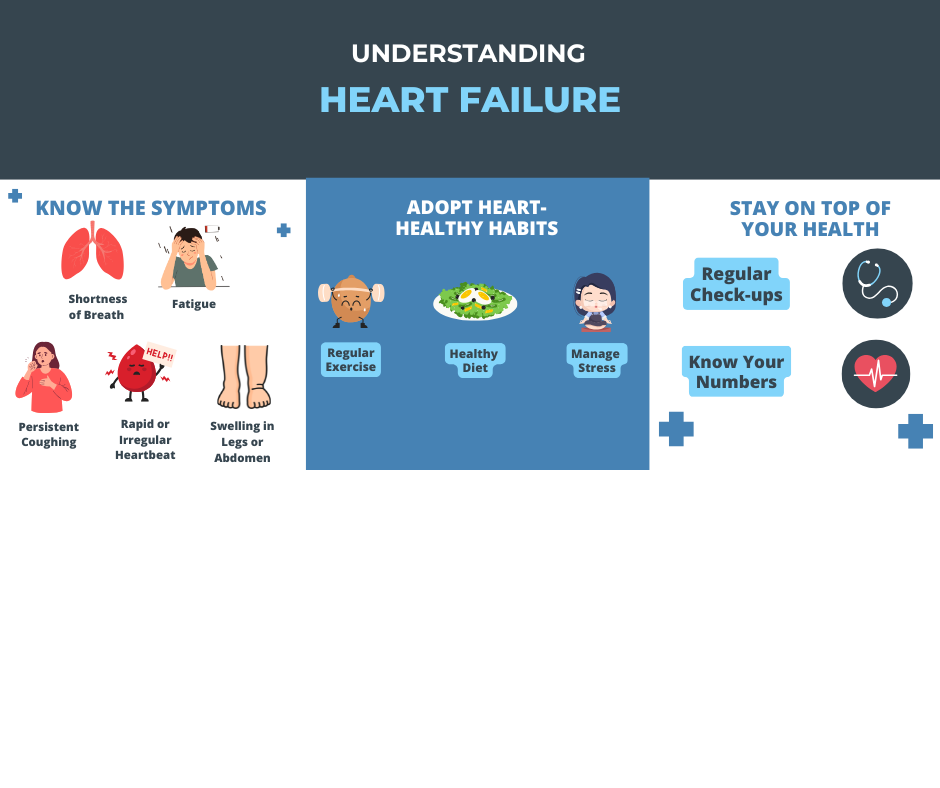
Cuskey had grown accustomed to powering through discomfort. For months, he experienced nighttime breathing issues, occasional dizziness, and unexplained weight gain. Like many people, he brushed off the symptoms as stress, aging, or the natural consequences of years of manual labor. “I never once thought it was my heart,” he said.
That changed the morning he woke up unable to catch his breath. Within hours of arriving at Stillwater Medical Center, Cuskey learned he was experiencing congestive heart failure related to long-standing hypertension and fluid buildup around his heart and lungs. The diagnosis was sobering, but what stood out to him most was how clearly his care team explained what was happening and why it mattered.
“Dr. Trad drew me a diagram to show how my arteries were welling up, and I wasn’t getting the oxygen I needed, because of my diet and lifestyle choices,” Cuskey said.
This introduction to the extensive education that would follow was the turning point for Cuskey.
During his hospital stay, Cuskey lost more than 12 pounds of excess fluid in just one night. As the physical symptoms eased, the learning began. His care team walked him through the importance of sodium restriction, fluid management, blood pressure monitoring, and lifestyle changes. For the first time, Cuskey understood how everyday choices, many of them seemingly small, could affect his heart’s health.
“They kept telling me how important it was to watch my salts,” he said. “I never even thought about how much is in processed foods and everything else I eat.”
After leaving the emergency department, Cuskey immediately applied what he had learned. “When I went home, I threw out my groceries, and I had just gone shopping the night before, because everything was obviously full of way too much salt,” he said.
He began reading labels, tracking intake, monitoring weight, and paying attention to his blood pressure. “I try to keep myself to just about a liter of water a day,” Cuskey said, “and I try for 1,000 milligrams of salt, or less, which is very hard.”
Cuskey credits his progress to listening closely and committing fully. “I just instantly started with that first thing, which was cutting everything I previously ate out,” he said, “and I mean everything. No drinking and no smoking too.”
This decision was reinforced by a candid conversation with his doctor.
“He told me he had 8 patients with the exact same condition as mine, for the same reasons, and six of them lived,” Cuskey said. “The two that didn’t went back to their old ways.”
That moment solidified his resolve. “I don’t want to be three out of nine,” he said.
Looking back, Cuskey sees education as the key to everything. “Honestly, if anything, the one thing I did do is listen,” he said. “I took everything they said to heart.”
Cuskey credits his experience at Stillwater Medical with giving him not only treatment, but the tools to move forward. The guidance he received empowered him to take ownership of his health—something he believes saved his life.
His message during Heart Month is simple but powerful: get screened, ask questions, and listen to your care team. “I just did, and still am doing, what they told me,” Cuskey said. “That’s what my story is. I think people should listen, and get checked out, because it works.”
Stillwater Medical offers cardiovascular screenings for only $50 year-round with no physician referral required. To schedule, visit www.stwmedical.com/cardioscreenings